logo

products details

Created with Pixso. Home Created with Pixso. Products Created with Pixso.
Auto Parts Test Equipment
Created with Pixso.

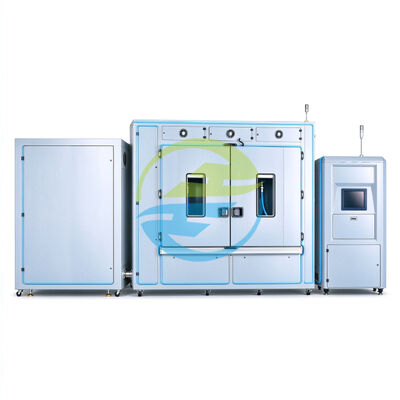
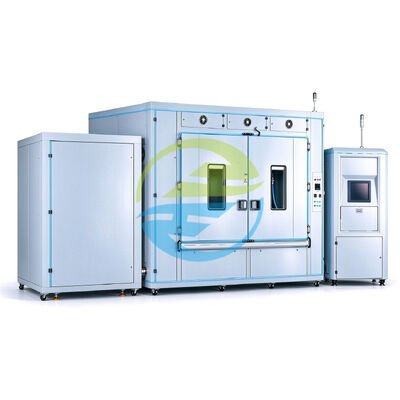
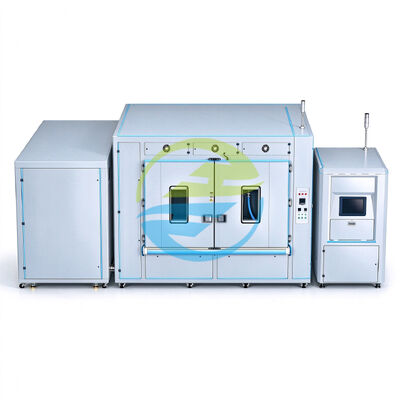
Radiator Thermal Cycle Test Bench for Coolant Hot and Cold Durability Testing with -40°C to 130°C Configurable Temperature Range and 0.1-0.6 MPa Adjustable Pressure

Radiator Thermal Cycle Test Bench for Coolant Hot and Cold Durability Testing with -40°C to 130°C Configurable Temperature Range and 0.1-0.6 MPa Adjustable Pressure

Brand Name: HeJin
Model Number: HJ-APTE1017
MOQ: 1 Set
Price: Negotiatable
Payment Terms: L/C,T/T
Supply Ability: 5 sets per 3 month
Detail Information
Place of Origin:
China
Certification:
Third party calibration certificate/ CE(cost additional)
Test Pressure Range:
0.1-0.6 MPa
Test Flow Rate:
10-100 L/min
Medium Temperature Range:
-40°C To 130°C
Temperature Fluctuation:
≤ ±3°C
Cycling Frequency:
3-15 Cycles Per Hour
Test Medium:
Coolant, Ethylene Glycol Aqueous Solution
Ambient Temperature:
Room Temperature
Product Model:
HJ-APTE1017
Packaging Details:
Plywood
Highlight:

Coolant Hot and Cold Durability Testing Radiator Thermal Cycle Test Bench

,

-40°C to 130°C Configurable Temperature Range Radiator Thermal Shock Test Stand

,

0.1-0.6 MPa Adjustable Pressure Heat Exchanger Thermal Fatigue Test Bench

Product Description

Automotive Radiator Thermal Cycle Test Bench for Coolant Hot and Cold Durability Testing


Product Overview

Automotive radiators and heat exchangers must withstand repeated coolant temperature changes throughout their service life. The Automotive Radiator Thermal Cycle Test Bench is designed to help manufacturers and testing laboratories evaluate component durability under controlled hot-and-cold liquid circulation conditions.

With a configurable medium temperature range of -40°C to 130°C, a test pressure range of 0.1–0.6 MPa, and a flow rate of 10–100 L/min, this system supports a variety of automotive radiator thermal cycling applications. Developed and manufactured by HeJin, the equipment can be configured according to specimen requirements, test procedures, and applicable industry standards.


Product Introduction

The Automotive Radiator Thermal Shock Test Stand is developed for thermal cycling tests on compatible automotive radiators and liquid-cooled heat exchanger assemblies. By circulating a selected test medium through the specimen under controlled temperature conditions, it helps engineers evaluate how components respond to repeated heating and cooling.

During vehicle operation, radiators experience changing coolant temperatures and circulation conditions. Repeated thermal expansion and contraction may place stress on tubes, headers, joints, seals, and connecting interfaces. Thermal cycling tests help manufacturers identify potential weaknesses, improve product designs, and verify durability before products proceed to the next stage of validation.

As part of the Auto Parts Test Equipment range, this system supports configurable pressure, flow rate, medium temperature, cycling frequency, and test duration. Test conditions can be established according to the customer's requirements and the applicable test procedure.

HeJin provides in-house engineering design and manufacturing, helping customers discuss their test objectives and determine a suitable equipment configuration before ordering.


Product Features

Wide Configurable Temperature Range

The test medium temperature can be configured within a range of -40°C to 130°C. This provides flexibility for automotive radiator testing programs that require different hot and cold operating conditions.

Adjustable Coolant Pressure and Flow

The specified pressure range is 0.1–0.6 MPa, while the flow rate can be configured from 10 to 100 L/min. These parameters allow the test conditions to be adapted to the specimen and the approved test procedure.

Repeatable Thermal Cycling

The equipment supports a temperature cycling frequency of 3–15 cycles per hour. The actual cycle profile, including temperature transitions and dwell periods, should be established according to the required test method and confirmed equipment capabilities.

Compatible Liquid Test Media

Specified test media include coolant and ethylene glycol aqueous solutions. The selected medium must be compatible with the equipment's wetted materials, seals, operating temperature, and specimen requirements.

Flexible Engineering Configuration

Radiators and heat exchangers vary in internal volume, connection design, flow requirements, and pressure limits. HeJin can review these application details to determine the appropriate configuration for the intended test.

Manufacturer-Direct Support

From technical discussions and equipment design to manufacturing coordination and after-sales assistance, HeJin provides direct communication with the manufacturer throughout the project, subject to the agreed service scope.


Applicable Standards and Test References

QC/T 468 — Automobile Radiator

QC/T 468 addresses technical and performance requirements and test methods for automobile radiators.

GMW 14193 — Radiator Product and Test Procedure Specification

GMW 14193 is an automotive engineering specification related to radiator validation and testing. Depending on the applicable edition and project requirements, relevant topics may include product validation, durability evaluation, measurement conditions, and performance requirements.

JB/T 7356 and JB/T 10408

These documents are included in the supplied technical reference list. Their full titles, current editions, and relevance to the intended thermal cycling application should be verified before being used as formal compliance references.


Technical Specifications

Technical ParameterSpecification
Equipment NameAutomotive Radiator Thermal Cycle Test Bench
Product ModelHJ-APTE1017
Product CategoryAuto Parts Test Equipment
Reference StandardsQC/T 468, JB/T 7356, JB/T 10408, GMW 14193, subject to applicability verification
Test Pressure Range0.1–0.6 MPa, configurable
Test MediumCoolant, ethylene glycol aqueous solution, and other compatible media
Test Flow Rate10–100 L/min, configurable
Medium Temperature Range-40°C to 130°C, configurable
Temperature Fluctuation≤ ±3°C
Temperature Cycling Frequency3–15 cycles per hour
Ambient TemperatureRoom temperature
Test Cycle CountSet according to the applicable standard or approved test procedure


Core Testing Principles

Controlled Liquid Temperature Cycling

The selected medium circulates through the specimen under controlled temperature conditions. The test procedure defines the hot and cold stages, transition requirements, dwell periods, and total number of cycles.

Pressure and Flow Coordination

Pressure and flow conditions must be selected together with the specimen's design limits and the required test method. Their correct configuration helps establish repeatable coolant circulation conditions.

Repeatable Test Sequences

A well-defined thermal cycling program specifies target temperatures, transition conditions, dwell times, cycle frequency, and the required number of cycles. Any automation and recording functions depend on the agreed equipment configuration.

Specimen and Medium Compatibility

The test medium, component materials, sealing elements, and equipment wetted parts must be considered together. This is especially important when testing at extreme temperatures or using ethylene glycol aqueous solutions.

Engineering-Led Equipment Selection

Before production, HeJin can review specimen drawings, connection dimensions, temperature requirements, pressure, flow rate, and applicable standards to help establish a practical test configuration.


Main Functions

The Automotive Heat Exchanger Thermal Fatigue Test Bench can be configured to support the following test functions:

Hot-and-cold liquid circulation: Circulates the selected test medium through compatible radiator and heat exchanger specimens.

Medium temperature control: Establishes the required test temperatures within the configured operating range.

Pressure condition adjustment: Supports test pressure settings within the specified 0.1–0.6 MPa range.

Flow rate adjustment: Supports configurable circulation flow rates from 10 to 100 L/min.

Thermal cycle sequencing: Supports repeated temperature cycling at a specified frequency of 3–15 cycles per hour.

Repeated durability evaluation: Allows components to undergo a defined number of thermal cycles.

Application-specific test configuration: Allows test conditions to be planned around specimen characteristics and the customer's test requirements.

Post-test inspection: Supports subsequent inspection for leakage, deformation, cracking, or other specified acceptance criteria.

Automated leak detection, data logging, report generation, and additional monitoring functions should be confirmed with HeJin before ordering if they are required for the application.


Frequently Asked Questions

Q1: What is an automotive radiator thermal cycle test bench?

It is a testing system that circulates a liquid medium through a compatible radiator or heat exchanger under repeated hot-and-cold conditions to evaluate thermal cycling durability.

Q2: What temperature range does HJ-APTE1017 support?

The supplied specification lists a configurable medium temperature range of -40°C to 130°C. The achievable temperature profile and transition time should be confirmed for the intended test application.

Q3: What pressure and flow ranges are available?

The specified pressure range is 0.1–0.6 MPa, and the flow range is 10–100 L/min. Both are configurable within the stated ranges.

Q4: Which test media can be used?

The listed media include coolant and ethylene glycol aqueous solutions. Other media require a compatibility review before use.

Q5: Which automotive components can be tested?

Compatible automotive radiators, coolant heat exchangers, radiator tube and header assemblies, and other liquid-cooled components may be considered, subject to the specimen and test requirements.

Q6: Can the equipment perform thermal shock tests?

The equipment is intended for controlled liquid hot-and-cold cycling. If a test specification requires a particular thermal shock profile, rapid transition time, or defined temperature ramp, the required performance must be reviewed and confirmed before ordering.

Q7: Can it evaluate radiator leakage?

Thermal cycling can be followed by leakage inspection or measurement. Integrated automatic leak detection is not confirmed by the supplied specification and must be specified separately if required.