logo

products details

Created with Pixso. Home Created with Pixso. Products Created with Pixso.
Environmental Test Chamber
Created with Pixso.

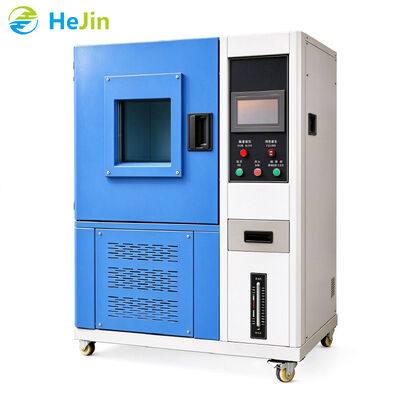
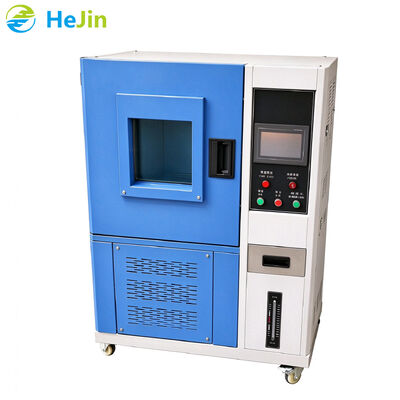
Environmental Test Chamber for Temperature-Based Reliability Evaluation with ±0.5°C Accuracy and SUS304 Stainless-Steel Construction

Environmental Test Chamber for Temperature-Based Reliability Evaluation with ±0.5°C Accuracy and SUS304 Stainless-Steel Construction

Brand Name: HeJin
Model Number: HJ-EMTC-031-3
MOQ: 1 Set
Price: Negotiatable
Payment Terms: L/C,T/T
Supply Ability: 15 sets per month
Detail Information
Certification:
Third party calibration certificate/ CE(cost additional)
External Dimensions:
1100 * 1000 * 1825 Mm
Working-Space Dimensions:
600 * 500 * 750 Mm
Low-Temperature Range:
+25°C / 0°C / -20°C / -40°C / -60°C / -70°C
High-Temperature Range:
+100°C / +150°C
Temperature Accuracy:
±0.5°C
Humidity Accuracy:
±2.5% RH
Chamber Material:
SUS304 Stainless-steel Sheet Or Painted Finish
Power Supply:
AC 220 V, 50/60 Hz
Packaging Details:
Plywood
Highlight:

Temperature-Based Reliability Evaluation Environmental Test Chamber

,

±0.5°C Accuracy Temperature Test Chamber

,

SUS304 Stainless-Steel Climate Test Chamber

Product Description

Reliable products are developed through more than design calculations and visual inspection. They also need to be evaluated under the environmental conditions they are expected to encounter.

An Environmental Testing Chamber provides a controlled setting for exposing selected products and materials to defined temperature conditions. HeJin supports industrial customers with environmental testing equipment developed through in-house engineering, design, and manufacturing capabilities, together with pre-sales consultation and after-sales assistance.

From Environmental Exposure to Useful Test Results

Environmental testing helps engineers understand whether a product maintains its required characteristics after exposure to specified conditions. The purpose is not simply to expose a sample to an extreme temperature, but to collect meaningful evidence against a defined acceptance criterion.

A practical test program generally includes:

  • Identifying the product characteristics that need evaluation.
  • Selecting a suitable test method and environmental severity.
  • Confirming that the chamber can achieve the required conditions.
  • Defining specimen placement, stabilization, exposure duration, and monitoring.
  • Recording observations and comparing results with the acceptance criteria.

A clearly defined procedure makes the results more useful for engineering decisions and quality improvement.

International Reference Standards

IEC 60068-2-1:2025 — Environmental testing – Part 2-1: Tests – Test A: Cold

Clause 1: Scope.

Clause 6: Description of the test.

Purpose: To expose a specimen to a low-temperature environment under specified test conditions.

IEC 60068-2-2:2025 — Environmental testing – Part 2-2: Tests – Test B: Dry heat

Clause 1: Scope.

Clause 6: Test procedure.

Purpose: To expose a specimen to a high-temperature environment under defined conditions.

IEC 60068-2-14:2023 — Environmental testing – Part 2-14: Tests – Test N: Change of temperature

Clause 1: Scope.

Clause 6: Test procedure.

Purpose: To evaluate the effects of a specific temperature change or a series of temperature changes.

IEC 60068-3-5 — Confirmation of the performance of temperature test chambers

Purpose: To provide guidance for confirming the performance of temperature test chambers.

IEC 60068-3-7 — Measurement of the performance of temperature test chambers for Tests A and B (with load)

Purpose: To provide guidance on measurements for cold and dry heat tests when test specimens (loads) are placed inside the test chamber.

Technical Specifications Reference
Item Reference specification
external dimensions 1100 * 1000 * 1825 mm
working-space dimensions 600 * 500 * 750 mm
Listed low-temperature settings +25°C / 0°C / -20°C / -40°C / -60°C / -70°C
Listed high-temperature settings +100°C / +150°C
Temperature distribution accuracy ±0.5°C
Humidity distribution accuracy ±2.5% RH
Chamber material SUS304 stainless-steel sheet or painted finish
Refrigeration arrangement Single-stage or two-stage compressor arrangement
Protection features High-pressure, overheat and overcurrent protection; fuse protection;
Power supply AC 220 V, 50/60 Hz
Custom configuration Subject to technical review
What Can Be Evaluated?

Dimensional Stability

Temperature exposure can reveal dimensional changes in plastics, rubber, composite materials, and assembled components.

Material Appearance and Physical Condition

Depending on the material and test conditions, inspections may identify discoloration, deformation, cracking, or other visible changes.

Component Functionality

Where the test arrangement permits, components can be checked for changes in specified operating characteristics before and after environmental exposure.

Assembly Fit and Mechanical Behavior

Temperature-related changes in different materials can affect fit, alignment, or movement within an assembly. Appropriate measurements can help identify such changes.

Comparative Product Performance

A controlled test environment enables comparison between material grades, product revisions, or manufacturing batches when the same test conditions and evaluation criteria are used.

FAQs

Q1: What is environmental reliability testing?

It is the evaluation of product or material behavior under defined environmental conditions to determine whether specified requirements are maintained.

Q2: Can an environmental chamber predict the full service life of a product?

Not by itself. Environmental testing provides evidence under specified conditions. Lifetime predictions require an appropriate validated methodology and supporting data.

Q3: Can the same chamber perform cold, dry-heat, and temperature-change tests?

Potentially, depending on the equipment configuration and the required test profiles. The intended procedures and performance requirements should be reviewed before selection.

Q4: How can I determine whether a chamber meets my test requirements?

Compare the test procedure with the chamber’s verified operating range, temperature distribution, stability, transition performance, loading conditions, and required documentation.

Q5: What support can I expect from the manufacturer?

Confirm the quotation and contract for the exact scope, including installation guidance, training, warranty coverage, spare parts, remote assistance, and on-site service where available.

Q6: How can I request a customized solution?

Send your sample details, required environmental conditions, applicable standard, installation constraints, and expected test workflow for engineering review.

Talk to HeJin About Your Testing Application

The right environmental testing setup begins with a clear understanding of what needs to be evaluated. Contact HeJin to discuss your product, test procedure, operating conditions, and configuration requirements.

Explore HeJin’s testing equipment solutions and contact our team for a technical discussion.