logo

products details

Created with Pixso. Home Created with Pixso. Products Created with Pixso.
Environmental Test Chamber
Created with Pixso.

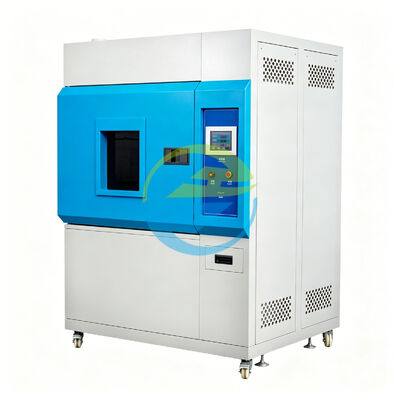
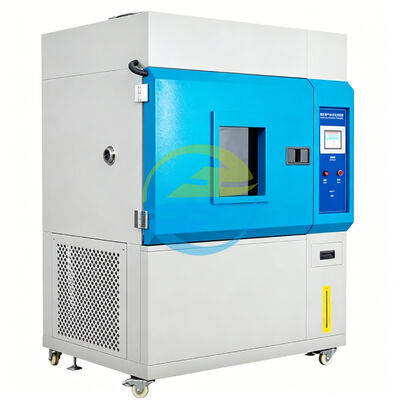
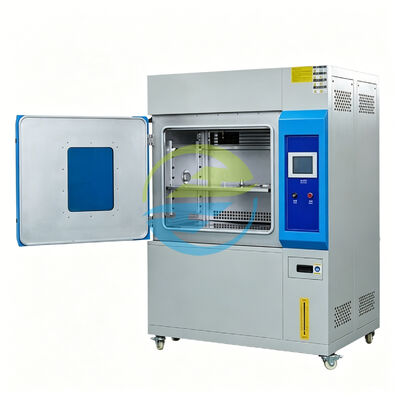
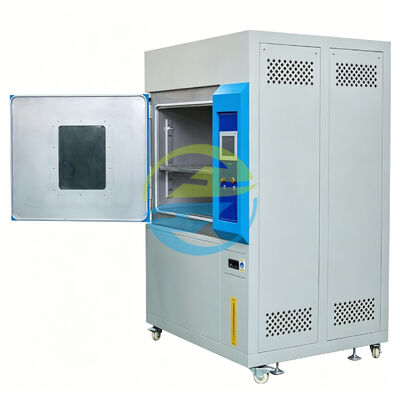
Xenon Lamp Weathering Test Chamber with Xenon-Arc Light Source and Controlled Environmental Conditions for Accelerated Weathering Evaluation

Xenon Lamp Weathering Test Chamber with Xenon-Arc Light Source and Controlled Environmental Conditions for Accelerated Weathering Evaluation

Brand Name: HeJin
Model Number: HJ-EMTC-028
MOQ: 1 Set
Price: Negotiatable
Payment Terms: L/C,T/T,D/P
Supply Ability: 1 set per 3 months
Detail Information
Place of Origin:
China
Certification:
Third party calibration certificate/ CE(cost additional)
Working Chamber Size:
600 * 750 * 600 Mm
Rated Power:
12 KW
Black Panel Temperature:
40–90°C ±3°C, Adjustable
Relative Humidity Range:
50–90% RH ±5%
Light Spectrum:
290–2450 Nm, Full Spectrum
Xenon Lamp Irradiance:
550 W/m²
Xenon Lamp Power:
7.5 KW
Lamp Service Life:
1200 H
Packaging Details:
Plywood
Highlight:

Xenon-Arc Light Source Xenon Lamp Weathering Test Chamber

,

Controlled Environmental Conditions Environmental Test Chamber

,

Accelerated Weathering Evaluation Accelerated Weathering Test Chamber

Product Description

Xenon Lamp Weathering Test Chamber for Accelerated Environmental Aging Testing

Product Overview

The Xenon Lamp Weathering Test Chamber is designed to reproduce the effects of sunlight, heat and moisture under controlled laboratory conditions, helping manufacturers evaluate how materials and finished products respond to long-term environmental exposure.

As an advanced Environmental Test Chamber, the system uses controlled xenon-arc radiation together with temperature, humidity and wetting conditions to accelerate weathering processes that would otherwise take months or years in natural environments.

Manufactured and supplied directly by HeJin, the equipment is developed for laboratories, quality-control departments, R&D teams and production manufacturers that need repeatable environmental aging data before products enter demanding service conditions.

From material selection and product development to production quality verification, controlled weathering testing can provide valuable evidence about color stability, surface appearance and other performance changes after exposure.

Why Xenon Arc Weathering Testing Matters

Outdoor products rarely face one environmental factor at a time.

Sunlight, temperature changes and moisture can work together to gradually change the appearance and performance of materials. A material may look stable under normal laboratory conditions but behave differently after prolonged exposure to light and moisture.

A xenon-arc weathering test chamber provides a controlled way to accelerate this process.

Instead of waiting for natural exposure results, manufacturers can establish defined laboratory conditions and compare material performance before making production or design decisions.

This makes xenon weathering testing particularly useful when product consistency, appearance retention and long-term environmental durability matter.

Product Introduction

The HeJin Xenon Lamp Weathering Test Chamber is an Environmental Test Chamber developed for accelerated weathering and aging evaluation.

The test system is based on controlled exposure to filtered xenon-arc radiation. Depending on the selected test method, exposure can also involve controlled temperature, relative humidity and water spray or other wetting conditions.

ISO 4892-2 describes laboratory exposure methods using xenon-arc lamps to reproduce weathering effects associated with daylight or daylight filtered through window glass. The standard specifically considers the combined influence of light, temperature, humidity and/or wetting.

ASTM G155 similarly covers the basic operation of xenon-arc light and water apparatus for reproducing weathering effects associated with sunlight and moisture. It also emphasizes that specific exposure conditions need to be selected according to the application and material being evaluated.

This makes the chamber suitable for controlled comparative testing rather than simply exposing samples to an uncontrolled light source.


Features

1. Xenon-Arc Light Source

The xenon-arc light source provides a controlled laboratory exposure environment designed to reproduce relevant portions of natural sunlight.

With appropriate optical filtering, xenon-arc exposure can be used to simulate sunlight exposure through defined test conditions.

2. Controlled Environmental Conditions

The chamber combines controlled environmental parameters with xenon-arc radiation.

Temperature, humidity and wetting conditions can be incorporated according to the applicable test method, allowing users to reproduce more realistic environmental exposure conditions.

3. Accelerated Weathering Evaluation

Accelerated exposure allows manufacturers to obtain comparative information more efficiently than waiting for natural outdoor weathering.

The resulting data can support material selection, formulation development, product improvement and quality verification.

4. Repeatable Laboratory Testing

Controlled exposure conditions help laboratories establish repeatable test procedures.

This is particularly important when comparing different materials, formulations, coatings or production batches.

5. Suitable for Different Materials

The system can be applied to a wide range of non-metallic materials and finished products where resistance to light and environmental exposure needs to be evaluated.

6. Designed for R&D and Quality Control

The equipment can support both product-development laboratories and production quality-control departments.

Test results can be used as part of a broader material evaluation program.


Main Functions

The Xenon Lamp Weathering Test Chamber can be used for:

  • Xenon-arc light exposure testing
  • Accelerated weathering testing
  • Material aging evaluation
  • Light resistance testing
  • Color stability evaluation
  • Surface appearance evaluation
  • Moisture-assisted weathering testing
  • Temperature-controlled exposure
  • Comparative material testing
  • Coating weathering evaluation
  • Polymer aging studies
  • Product durability development
  • Quality-control testing
  • R&D material screening

The actual exposure cycle and environmental conditions should be selected according to the applicable product specification, customer requirement or testing standard.


What Does the Xenon Weathering Chamber Test?

The equipment can be used to evaluate materials and products that may experience outdoor or indoor light exposure during their service life.

Typical test objects include:

Plastics and Polymer Materials

  • Plastic sheets
  • Plastic components
  • Polymer materials
  • Injection-molded parts
  • Engineering plastics
  • Plastic housings

Coatings and Surface Finishes

  • Automotive coatings
  • Industrial coatings
  • Protective coatings
  • Decorative coatings
  • Surface finishes
  • Painted components

Rubber and Elastomer Materials

  • Rubber components
  • Elastomer materials
  • Sealing materials
  • Flexible polymer products

Textiles and Color Materials

  • Textile materials
  • Dyed materials
  • Colored surfaces
  • Synthetic fabrics

Automotive Materials

  • Interior plastic components
  • Exterior plastic components
  • Decorative automotive materials
  • Coated automotive parts
  • Polymer trim materials

Other Industrial Products

  • Outdoor-use components
  • Consumer product materials
  • Building materials
  • Packaging materials
  • Product housings
  • Composite materials

The exact applicability depends on the material, specimen geometry and selected exposure procedure.


What Can Be Evaluated?

After xenon exposure, manufacturers may evaluate changes such as:

  • Color change
  • Fading
  • Gloss change
  • Surface cracking
  • Surface deterioration
  • Yellowing
  • Embrittlement
  • Appearance changes
  • Coating degradation
  • Material property changes
  • Comparative weathering resistance

The chamber itself performs the controlled exposure. Evaluation of the resulting material changes should be performed using the appropriate material-specific test method.

ASTM G155 specifically notes that specimen preparation and evaluation are covered by applicable ASTM methods or material specifications rather than being defined solely by the xenon exposure apparatus.


International Reference Standards

ISO 4892-2:2013 — Plastics — Methods of Exposure to Laboratory Light Sources — Part 2: Xenon-Arc Lamps

ISO 4892-2:2013 specifies methods for exposing specimens to xenon-arc light in the presence of moisture to reproduce weathering effects associated with actual-use environments.

The standard covers key areas including:

  • Xenon-arc laboratory light sources
  • Test chamber requirements
  • Radiometric measurement
  • Black-standard or black-panel temperature measurement
  • Wetting and humidity-control equipment
  • Specimen holders
  • Exposure conditions
  • Radiation control
  • Temperature control
  • Relative humidity control
  • Water spray or wetting conditions where required

ISO confirms that the 2013 edition was reviewed and confirmed in 2023 and remains current.

The standard also specifies that the chamber should provide controlled irradiance and temperature, with humidity-control facilities where the exposure procedure requires humidity control.

ASTM G155 — Standard Practice for Operating Xenon Arc Lamp Apparatus for Exposure of Materials

ASTM G155 provides operating principles and procedures for xenon-arc light and water apparatus.

Its scope covers controlled exposure to filtered xenon-arc light under environmental conditions designed to reproduce weathering effects associated with sunlight and moisture.

Important considerations include:

  • Xenon-arc radiation
  • Optical filters
  • Controlled exposure conditions
  • Temperature
  • Moisture
  • Humidity
  • Water exposure
  • Irradiance control
  • Exposure reporting
  • Material-specific evaluation

ASTM G155 also makes clear that the practice itself does not prescribe one universal exposure condition for every material; the appropriate exposure cycle must be selected for the intended application.

Technical Specifications

Technical Item Specification
Equipment Type Xenon Lamp Weathering Test Chamber
Working Chamber Size (D * W * H) 600 * 750 * 600 mm
Rated Power 12 kW
Black Panel Temperature 40–90°C ±3°C, adjustable
Relative Humidity Range 50–90% RH ±5%
Rainfall Duration Setting 1–9999 h 59 min, adjustable
Rainfall Cycle 1–240 min, intermittent, adjustable
Light Spectrum 290–2450 nm, full spectrum
Xenon Lamp Irradiance 550 W/m²
Irradiance Accuracy ≤10 W/m²
Xenon Lamp Rated Power 2.5 kW * 3 lamps
Total Xenon Lamp Power 7.5 kW
Lamp Service Life 1200 h
Distance from Arc Center to Specimen 300 mm
Effective Irradiation Area ≥3000 cm²
Specimen Rack Size 750 * 600 mm
Specimen Rack Quantity 1 PCS
Spray Time Setting Up to 59 min, adjustable
Spray Stop Time Setting Up to 999 min, adjustable
Temperature Indication/Setting Accuracy 0.1°C
Humidity Indication/Setting Accuracy 1% RH

FAQ

What is a Xenon Lamp Weathering Test Chamber?

A Xenon Lamp Weathering Test Chamber is an environmental testing system that uses controlled xenon-arc radiation, together with temperature, humidity and/or wetting conditions where required, to accelerate weathering exposure in laboratory conditions.

What is the difference between a xenon weathering chamber and an Environmental Test Chamber?

A general Environmental Test Chamber may focus on environmental parameters such as temperature and humidity.

A xenon weathering chamber adds controlled xenon-arc radiation to reproduce relevant light exposure conditions. ISO 4892-2 specifically addresses xenon-arc laboratory exposure methods.

Is this a high and low temperature test chamber?

The equipment belongs to the broader Environmental Test Chamber category, but its primary purpose is xenon-arc weathering and accelerated aging rather than conventional temperature cycling alone.

What materials can be tested?

Typical applications include plastics, coatings, polymers, rubber-related materials, textiles, automotive materials, composite materials and other products requiring controlled weathering evaluation.

What changes can be evaluated after testing?

Depending on the material and evaluation method, users may examine color change, fading, gloss change, cracking, yellowing, surface deterioration and other material-property changes.

About HeJin

HJ AUTOMATIC CONTROL TECHNOLOGY CO., LTD. was established in Guangzhou, China, in 2012.

HeJin focuses on industrial testing equipment and automation solutions, with capabilities covering R&D design, manufacturing and technical service.

The company's equipment portfolio includes environmental testing, leak testing, automotive testing, industrial performance testing and related automated testing solutions.

For customers purchasing laboratory or production testing equipment, HeJin provides direct technical communication from the initial requirement discussion through equipment delivery and after-sales support.


Product Detail Images

Xenon Lamp Weathering Test Chamber with Xenon-Arc Light Source and Controlled Environmental Conditions for Accelerated Weathering Evaluation